Author

admin

Browsing

Ottawa’s push to strengthen trade links with Europe is moving ahead on two tracks: investing in new port infrastructure at home and formalizing a minerals partnership with Germany abroad.

Speaking alongside German Chancellor Friedrich Merz in Berlin, Prime Minister Mark Carney confirmed Tuesday (August 26) that Canada would support major new infrastructure projects, including a new port in Churchill and an expansion of Montreal’s Contrecœur terminal.

He also shared a bilateral agreement with Germany to cooperate on critical minerals development which will bring the two countries working together on project financing, technological development and supply-chain integration.

“A number of those investments, the first of which we will be formally announcing in the next two weeks, are with respect to new port infrastructure,” Carney said.

The new facilities, he added, would reinforce Montreal’s port system and create “enormous LNG plus other opportunities” in Churchill, alongside upgrades to other East Coast ports to handle critical metals and minerals.

The announcements deliver on a central campaign promise by Mr. Carney’s Liberals to advance large-scale infrastructure projects as a counterweight to US President Donald Trump’s protectionist trade policies.

Germany agreement

Natural Resources Minister Tim Hodgson signed the minerals agreement with his German counterpart in Berlin.

While not legally binding, the deal outlines plans to coordinate investment and appoint envoys to deepen cooperation in sectors ranging from electric vehicles to aerospace and defence.

“So there is a lot happening,” Carney added. “The number one focus of this government is to build that infrastructure, and particularly infrastructure that helps us deepen our partnership with our European partners, and particularly Germany.”

Germany is Canada’s largest European trading partner, with bilateral trade in goods reaching US$30.5 billion last year. For Berlin, diversifying supplies of energy and industrial inputs remains a priority after the country cut reliance on Russian natural gas following Moscow’s invasion of Ukraine.

Ottawa and Berlin have previously signed memorandums of understanding on hydrogen and critical minerals, including 2022 agreements with Volkswagen (OTC Pink:VLKAF,FWB:VOW) and Mercedes-Benz Group (OTC Pink:MBGAF,ETR:MBG) to secure supplies of nickel, cobalt and lithium for electric vehicle batteries.

Canada’s economy has long depended on the US market, and the intensifying trade dispute with Washington has accelerated Ottawa’s drive to find new outlets.

The Prime Minister has framed Europe as Canada’s most reliable alternative, calling the country “the most European of non-European nations.”

His current trip marks his fourth visit to the continent since taking office in March, with stops in Ukraine, Poland, Germany and Latvia.

For Churchill, a new port would be a welcome transformation.

The northern Manitoba town’s existing facilities have largely been used for grain exports. Expanding its capacity to handle liquefied natural gas and minerals could give Canada another strategic outlet to Atlantic markets, bypassing congested southern corridors and reducing dependence on US ports.

US adds minerals to list

While Canada seeks to deepen European ties, Washington is reinforcing its own approach.

On Monday (August 25), the US Department of the Interior released a draft 2025 list of 54 critical minerals deemed vital to the economy and national security.

For the first time, copper, silver and potash were included, alongside silicon, rhenium and lead.

“President Trump has made clear that strengthening America’s economic and national security means securing the resources that fuel our way of life,” Interior Secretary Doug Burgum said in a recent press release.

“This draft list of critical minerals provides a clear, science-based roadmap to reduce our dependence on foreign adversaries, expand domestic production and unleash American innovation.”

The list, updated every three years under the Energy Act of 2020, guides federal investment, permitting, and recycling strategies. It originated with a 2017 executive order that directed agencies to assess US vulnerabilities in mineral supply chains.

The US Geological Survey tested more than 1,200 disruption scenarios for 84 minerals across 402 industries. The analysis flagged rare earths such as dysprosium, terbium and lutetium among the commodities posing the highest potential risks.

Securities Disclosure: I, Giann Liguid, hold no direct investment interest in any company mentioned in this article.

This post appeared first on investingnews.com

Investor Insight

Corazon Mining Ltd presents a compelling investment case driven by a strategic pivot to WA gold exploration, capitalising on its recent acquisition of the Two Pools gold project. This acquisition offers significant near-term exploration upside, while the company retains a high-quality portfolio of base and battery metals projects, providing long-term optionality and leverage to the evolving critical minerals market. This strategy positions Corazon to deliver shareholder value through potential high-impact discovery and future project development.

Overview

Corazon Mining Ltd (ASX:CZN) is an Australian junior exploration company focused on high-quality gold and critical minerals projects in Australia and Canada.

Company Highlights

  • Two Pools Gold Project: The company’s primary focus is the newly acquired Two Pools Gold Project in Western Australia’s highly productive Plutonic Greenstone Belt. This underexplored tenure contains a recently identified 20km-long greenstone belt that was previously misclassified as granite.
  • Confirmed High-Grade Mineralisation: Historical drilling at Two Pools has delivered standout intercepts, including 12m @ 8.89 g/t Au (incl. 3m @ 34.25 g/t Au) and 18m @ 3.89 g/t Au (incl. 4m @ 15.96 g/t Au).
  • Trident-style Analogy: Drilling has confirmed mineralisation extends beneath overthrust granite, a key geological setting similar to Catalyst Metals’ nearby Trident Deposit, highlighting the potential for significant blind discoveries.
  • Strategic Location: Two Pools is located just 60km from Catalyst Metals’ Plutonic Processing Plant, offering strong future development synergies
  • Strategic Battery and Base Metals Portfolio: Corazon retains ownership of key projects in Canada and Australia including the MacBride Copper-Zinc-Gold Project and the historic Lynn Nickel-Copper-Cobalt sulphide camp in Manitoba, and the Mt Gilmore Copper-Cobalt-Gold project in NSW. These assets provide long-term exposure to critical metals.
  • Compelling Value Proposition: Corazon offers a unique investment opportunity with a small market capitalisation but large, high-quality assets.

Key Projects

Two Pools Gold Project (Western Australia)

Project Highlights:

  • A new, highly-prospective gold exploration project in the proven Plutonic-Marymia Greenstone Belt.
  • The project covers 193km2 of underexplored tenure containing a newly identified 20km-long greenstone belt
  • Historical Drilling and surface sampling have confirmed high-grade gold mineralisation, with a compelling geological setting analogous to other major deposits in the region.

Lynn Lake Base & Precious Metals (Manitoba, Canada)

Project Highlights:

  • High-quality base and precious metals asset, offering strategic, long-term value.
  • MacBride Copper-Zinc-Gold Project: High-grade, near-surface mineralisation and significant exploration upside for VMS-style deposits.

Other Projects

  • Mt Gilmore Copper-Cobalt-Gold (NSW, Australia): An emerging porphyry play with potential for a significant potential copper-gold system.

Management Team

Simon Coyle – Managing Director

Simon Coyle is a mining executive with over 20 years’ experience in the resources sector, spanning across gold, iron ore, manganese and lithium. He is a graduate of the Western Australian School of Mines and has held a number of senior operational leadership roles across both private and publicly listed companies.

Most recently, Coyle served as CEO and president of TSXV-listed Velox Energy Materials. Prior to this, he held senior roles at Pilbara Minerals, including general manager – operations, where he was instrumental in the development and expansion of its flagship lithium project, establishing it as one of the world’s leading spodumene concentrate producers. Coyle currently serves as non-executive director of Kali Metals.

Kristie Young – Non-executive Chair

Kristie Young is a professional Board Director who began her career as a mining engineer in the mid 90’s across both underground and open cut operations (incl. Hamersley Iron, Mt Isa Mines, Plutonic Gold, New Hampton Goldfields, Surpac), feasibility studies and project evaluation. She holds a BEng(Mining) Hons from the University of Queensland.

Over 25 years’ industry experience, including business development director roles with both EY and PwC. She brings more than 15 years’ experience on boards and committees and currently serves as a non-executive director of Brazilian Rare Earths (ASX:BRE), Livium (ASX:LIT), Tasmea Ltd (ASX:TEA), and MinEx CRC.

She is a Fellow of the AusIMM and a graduate and Fellow of the AICD.

Scott Williamson – Non-executive Director

Scott Williamson is a highly experienced mining engineer with an Engineering and Commerce degree from the West Australian School of Mines and Curtin University. With more than 20 years of experience spanning technical and corporate roles in the mining and finance sectors, he brings a wealth of industry expertise and strategic insight. A proven leader in business development, Scott has extensive experience in equity capital markets, complementing his strong technical skill set.

Currently, he serves as managing director of Blackstone Minerals and non-executive Director of Leeuwin Metals.

Scott also holds a WA First Class Mine Manager’s Certificate and is a member of the Australasian Institute of Mining and Metallurgy.

Robert Orr – Company Secretary and Chief Financial Officer

Robert Orr manages Corazon’s financial operations and corporate governance, ensuring compliance and effective financial management.

This post appeared first on investingnews.com

Perth, Australia (ABN Newswire) – Basin Energy Limited (ASX:BSN) (OTCMKTS:BSNEF) is pleased to invite shareholders and investors to an investor webinar where Managing Director, Pete Moorhouse will provide a Company update following the recently acquired extensive uranium and rare earth portfolio in Queensland and outline upcoming exploration plans.

DETAILS

Date: Thursday, 28 August 2025
Time: 11:30AM AEST / 9:30AM AWST

Registration:
https://www.abnnewswire.net/lnk/66GZ5R65

Participants will be able to submit questions via the panel throughout the presentation, however we highly encourage attendees to submit questions beforehand via chloe@janemorganmanagement.com.au

To view the Presentation, please visit:
https://www.abnnewswire.net/lnk/3Z6Y66N7

About Basin Energy Ltd:

Basin Energy Ltd (ASX:BSN) (OTCMKTS:BSNEF) is a green energy metals exploration and development company with an interest in three highly prospective projects positioned in the southeast corner and margins of the world-renowned Athabasca Basin in Canada and has recently acquired a significant portfolio of Green Energy Metals exploration assets located in Scandinavia.

Source:
Basin Energy Ltd

Contact:
Pete Moorhouse
Managing Director
pete.m@basinenergy.com.au
+61 7 3667 7449

Chloe Hayes
Investor and Media Relations
chloe@janemorganmanagement.com.au
+61 458619317

News Provided by ABN Newswire via QuoteMedia

This post appeared first on investingnews.com

Perth, Australia (ABN Newswire) – Basin Energy Limited (ASX:BSN) (OTCMKTS:BSNEF) is pleased to announce that it has entered into a binding agreement to acquire 100% of the issued capital of NeoDys Limited (‘NeoDys’), a privately held critical minerals explorer with a dominant landholding in the Mount Isa region of northwest Queensland.

Key Highlights

– Binding agreement to acquire the largest prospective uranium and rare earth packages in Queensland, adjacent to Paladin Energy Limited’s (ASX:PDN) Valhalla uranium deposit and Red Metal Limited’s (ASX:RDM) Sybella rare earth discovery [1*]

– Early stage exploration supports three distinct, drill-ready exploration models, each amenable to low-cost shallow drilling:

o AEM geophysical survey previously reported identified extensive paleochannel network adjacent to the Sybella uranium ‘hot’ granite.

o Significant hard rock granite rare earth element potential, analogous to Red Metal’s Sybella discovery. Recent auger drill sampling returned numerous significant results including 5 m @ 1,951 ppm TREO with 578 ppm Nd+Pr oxide, incl. 3 m @ 705 ppm Nd+Pr oxide.

o District-scale sediment-hosted ionic clay rare earth potential with $150,000 Queensland Government funding in place to fastrack drilling. Soil sampling completed with numerous samped returning >600 ppm TREO with a maximum of 653 ppm TREO.

– Additional Valhalla-style uranium targets with multiple untested radiometric anomalies, in proximity to Valhalla, Skal and Odin deposits which host a combined 116 Mlbs U3O8 [2*]

– The Company has received firm commitments from institutional and sophisticated investors to raise $1.25 million at $0.025 per share, representing a 9% premium to 20 day VWAP.

– With the oversubscribed placement along with the Queensland grant, Basin Energy is fully funded to test these drill-ready high priority targets, enabling the Company to fast-track multiple uranium and rare earth drill programs.

– Detailed targeting and drill planning is underway with exploration planned to commence in Q4 2025 to test shallow, high priority targets via aircore and reverse circulation drilling.

Managing Director, Pete Moorhouse commented:

‘This acquisition propels Basin into Australia’s uranium and rare earth exploration landscape. These projects deliver exceptional geology, strategic scale and compelling upside across two of the most critical mineral sectors of the energy transition. With drill-ready targets and a low-cost structure, this portfolio is primed to deliver value for shareholders. Over the next 6 months, Basin Energy will be drilling the first holes on three district-scale opportunities for uranium and rare earth deposits in Northwest Queensland.

The Company is delighted with the strong interest in the capital raising. On behalf of the Board, I welcome our new shareholders, and thank existing shareholders for their continued support at an exciting time of development for the Company. We will be holding a webinar to walk through the projects on 28th August and encourage people to log in and learn more about this opportunity.’

Overview

This acquisition provides Basin with a commanding position over one of Australia’s emerging and underexplored provinces for uranium and rare earth elements (‘REE’), leveraging the recent Sybella rare earth discovery by Red Metal Limited (ASX:RDM) and the prospectivity of the adjacent Barkly Tableland.

Basin now holds 5,958 km2 of exploration tenure in the Mount Isa district of northwest Queensland. The projects provide compelling walk-up drill targets that can be rapidly and cost-effectively tested using air core and reverse circulation (RC) drilling. NeoDys have an existing Queensland Government Collaborative Exploration Initiative funding agreement for $150,000, available for Basin to support upcoming drilling programs.

The drill-ready, district scale targets include:

– Paleochannel roll front uranium (1*)

– Sediment and ionic clay hosted rare earth elements (2*)

– Hard rock, granite hosted rare earth elements (3*)

In addition to these three district-scale targets, the project area contains multiple shear-hosted Valhallastyle uranium targets defined for immediate assessment.

The primary model is based on mineralisation sourced from the various granites of the Sybella Batholith (‘the Sybella’), a large north-south trending igneous body containing zones enriched in rare earth elements. This includes the Red Metal (ASX:RDM) Sybella Discovery with a recent JORC inferred resource estimate of 4.795 Bt at 302 ppm NdPr, 28 ppm DyTb (200 ppm NdPr cut-off) or 209 Mt at 377 ppm NdPr, 34 ppm DyTb (360 ppm NdPr cut-off) [1*]. The Sybella granites are also uranium rich, potentially being the source of Paladin Energy’s (ASX:PDN) Valhalla deposits[2*] .

Terms of the Share Placement

The Company has received firm commitments to raise $1.25 million, by way of a two-tranche share placement (‘Placement’) of 50 million shares at an issue price of $0.025 per share. The Placement price represents the Company’s last market close price, and a 9.1% premium to the 20-day VWAP.

Tranche two will be subject to a general meeting, to be called shortly and expected in early October.

The offer was significantly oversubscribed, with proceeds to be allocated as follows:

– Air core drilling on the Barkly Tablelands uranium and REE targets

– RC drilling at the Newmans Bore granite-hosted REE target

– Mapping and sampling of the West Valhalla Radiometric targets

– General working capital.

The Placement was managed internally and was not subject to broker fees.

To view the full announcement, please visit:
https://abnnewswire.net/lnk/3833C16P

About Basin Energy Ltd:

Basin Energy Ltd (ASX:BSN) (OTCMKTS:BSNEF) is a green energy metals exploration and development company with an interest in three highly prospective projects positioned in the southeast corner and margins of the world-renowned Athabasca Basin in Canada and has recently acquired a significant portfolio of Green Energy Metals exploration assets located in Scandinavia.

Source:
Basin Energy Ltd

Contact:
Pete Moorhouse
Managing Director
pete.m@basinenergy.com.au
+61 7 3667 7449

Chloe Hayes
Investor and Media Relations
chloe@janemorganmanagement.com.au
+61 458619317

News Provided by ABN Newswire via QuoteMedia

This post appeared first on investingnews.com

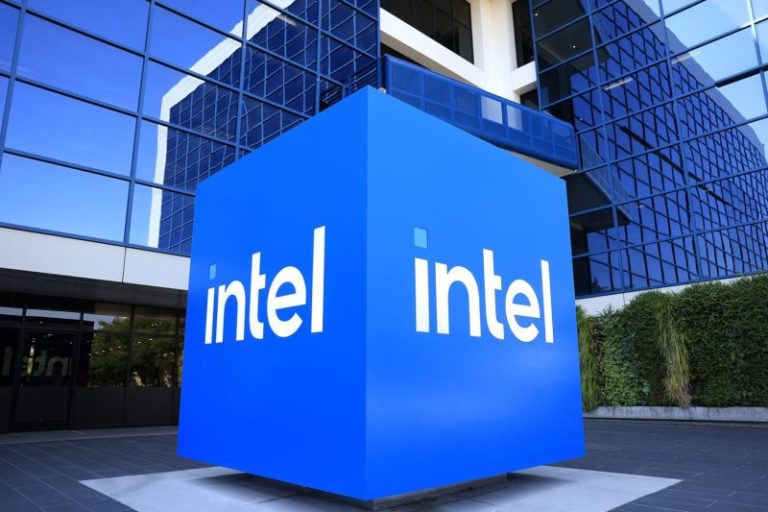
U.S. taxpayers are now the largest shareholders in Intel. What comes next isn’t so clear.

The Trump administration announced Friday that the government had taken a 10% stake in the California-based computer chipmaker, which has fallen behind rivals Nvidia and AMD in the artificial intelligence race. Over the past five years, Intel’s share price has declined more than 50%.

The administration has not provided any details about when or under what circumstances it would sell the Intel shares — or whether it would sell them at all. Nor did it say whether the United States would benefit from any dividends, although Intel has not paid out any since last year. The administration does not plan to take any board seats and has said it will vote against the company only in “limited” circumstances.

While Commerce Secretary Howard Lutnick suggested Friday that national security was a key motivator for taking the stake, President Donald Trump focused Monday more on the prospect of financial gains.

“I will make deals like that for our Country all day long,” Trump said on Truth Social. “I love seeing their stock price go up, making the USA RICHER, AND RICHER. More jobs for America!” he added.

Intel’s shares have climbed about 4% since the transaction was announced. Some experts said that while there is a potential upside to the agreement, it represents another norm-shattering expansion of presidential authority by Trump into the business world — and most likely not the last.

Already, the Trump administration has taken a “golden share” in Japan’s Nippon Steel as part of a deal granting approval to that company’s bid for U.S. Steel and giving the government a say in future Nippon transactions. Last month, the Defense Department announced it had purchased $400 million in rare earth miner MP Materials, making it the company’s largest shareholder. The White House also plans to take a cut of the sales that chipmakers Nvidia and AMD make to China.

Trump told reporters Monday that he hopes to see “many more” deals like Intel’s, adding that nobody “realizes how great it will be.” Kevin Hassett, director of Trump’s National Economic Council, said similar deals could help form the basis of a sovereign wealth fund, an idea that the administration had floated earlier as a way of giving U.S. taxpayers direct stakes in companies but had yet to fully develop.

“At some point there’ll be more transactions, if not in this industry, in other industries,” Hassett said on CNBC.

The U.S. stake in Intel does not amount to a complete government takeover. While the federal government has assumed total control of private corporations before, such incidents have usually happened during times of crisis — and not with the direct intention of trying to play the markets.

“He’s doing all this in a spooky, controversial way,” said Clyde Wayne Marks, a fellow in regulatory studies at the Competitive Enterprise Institute, a libertarian think tank. “Right now there is no crisis.”

President Woodrow Wilson nationalized railroads, as well as the telegraph, telephone, radio and wireless stations, during World War I. Nearly two decades ago, the government bailed out a host of private firms during the 2008-09 global financial crisis.

While the bailout involved holding corporate assets on the U.S. government’s books with the goal of returning earnings to taxpayers, there was never any serious intention to own them over the long term. And a Government Accountability Office study concluded in 2023 that the program ultimately came at a net cost of about $31 billion.

The U.S. government has long provided subsidies to private corporations in the form of loans and grants, to varying degrees of success. Two high-profile examples came during the Obama administration, when the Energy Department provided loans to a solar power company called Solyndra and to electric vehicle maker Tesla. Solyndra ultimately went bankrupt, while today Tesla is worth $1.2 trillion on the stock market.

Some have argued that the United States would have benefited from having taken a stake in Tesla. Yet at the time Tesla received the loan, in 2010, beliefs about the free market and the need to limit the government’s role in it prevailed not just among Republicans, but among Democrats, as well, experts say.

“Our system has not typically been built that way — it’s not how free enterprise is typically run,” said Dan Reicher, a former Energy Department official under Presidents Bill Clinton and Barack Obama. “History has proven that the more free-market approach, making the bottom line the bottom line for the companies running these operations, is a smarter way to go.”

Intel’s fortunes have sagged. Its manufacturing segment lost $3.2 billion in the second quarter, and last month it said it would lay off 15% of its workforce by year’s end while canceling billions in planned investments and delaying the completion date for a $28 billion chip plant near Columbus, Ohio.

In a securities filing Monday, Intel warned investors of the potential risks involved in the U.S. investment, among them that the arrangement may actually limit its ability to secure grants down the road, depending on its future performance. It could also harm international sales and make Intel subject to additional regulations and restrictions, both at home and abroad, it said.

On Monday, Trump was asked whether the Intel investment represented a new way of doing industrial policy.

“Yeah. Sure it is,” Trump said. “I want to try to get as much as I can.”

This post appeared first on NBC NEWS

Frontier Airlines is going after customers of Spirit Airlines, whose financial footing has gotten so shaky in recent weeks that it warned earlier this month it might not be able to survive another year without more cash.

Frontier on Tuesday announced 20 routes it plans to start this winter, many of them in major Spirit markets like its base at Fort Lauderdale International Airport in Florida. Frontier overlaps with Spirit on 35% of its capacity, more than any other airline, according to a Monday note from Deutsche Bank airline analyst Michael Linenberg.

Some of Frontier’s new routes from Fort Lauderdale include flights to Detroit, Houston, Chicago and Charlotte, North Carolina. It’s also rolling out routes from Houston to New Orleans; San Pedro Sula, Honduras; and Guatemala City.

Frontier had tried and failed to merge with its budget airline rival several times since 2022.

“I’m not here to talk about M&A,” Frontier CEO Barry Biffle said in an interview with CNBC on Tuesday when asked whether Frontier would buy Spirit. Biffle said he expects that Frontier would pick up the majority of Spirit’s market share if Spirit collapsed.

Both carriers have struggled from changing customer tastes for more upmarket seats and trips abroad, an oversupply of domestic capacity, and higher labor and other costs. Spirit’s situation has become more dire however, after it emerged from four months of bankruptcy protection in March facing many of the same problems.

Ultra-low-cost airlines are also challenged by larger rivals like United Airlines, American Airline and Delta Air Lines that have rolled out their own no-frills basic economy tickets but also offer customers bigger choices of destinations and other perks onboard like snacks and beverages.

Stock prices of rival airlines surged after Spirit’s warning earlier this month.

Biffle said the carrier wants to become the country’s largest budget airline and has rolled out loyalty matching programs to grab more customers. Frontier’s capacity was slightly smaller than Spirit’s in the second quarter, through the latter had slashed its flying by nearly 24% from a year earlier, while Frontier was down only 2%.

Spirit last week said it drew down the entire $275 million of its revolver and while it reached a two-year extension on its credit card processing agreement with U.S. Bank N.A., it agreed that it would hold back up to $3 million a day from the carrier.

The airline lost $245.8 million in the second quarter. Frontier lost $70 million.

Spirit has been looking for ways to slash costs, including furloughing and demoting hundreds more pilots and cutting unprofitable routes. Hundreds of flight attendants are on unpaid leaves of absence.

Spirit CEO Dave Davis said in an Aug. 12 staff memo after its “going concern” warning that “the team and I are confident that we can build a Spirit that will continue to provide consumers the unmatched value that they have come to expect for many years to come.”

The carrier reached a deal with bondholders who agreed to convert debt to equity in its Chapter 11 bankruptcy, but it didn’t cut other costs like renegotiating aircraft leases. Leasing firms have been reaching out to rivals in recent weeks to gauge whether competitors would take any of the Airbus planes that are in Spirit’s hands, according to people familiar with the matter, who asked to speak anonymously because the talks were private.

— CNBC’s Phil LeBeau contributed to this report.

This post appeared first on NBC NEWS

Cracker Barrel tried to reassure customers Monday that its values have remained the same after it received criticism following a new logo reveal and general brand refresh.

The company promised customers in a statement that while its logo may be different, its values — “hard work, family, and scratch-cooked food made with care’ — are not.

“You’ve shown us that we could’ve done a better job sharing who we are and who we’ll always be,” the statement read, adding that Cracker Barrel will remain “a place where everyone feels at home, no matter where you’re from or where you’re headed.”

Last week, the company unveiled a new logo that no longer features a man leaning against a barrel or the words ‘Old Country Store.’ Instead, it featured the company’s name, in a color scheme that it said was inspired by the chain’s scrambled eggs and biscuits.

The change was part of a ‘strategic transformation’ that aimed to update the chain’s visual elements, spaces, food and retail offerings. The company’s shares are down about 8.5% since the reveal ignited criticism, especially from those in conservative circles.

Donald Trump Jr., the president’s son, amplified a post Wednesday suggesting that the logo change was intended to erase the American traditions aspect of the branding and make it more general and lean into diversity, equity and inclusion efforts.

On Monday, the chain also shared an update on the man in the original logo, Uncle Herschel, who is said is still featured on menus and road signs and in stores.

‘He’s not going anywhere — he’s family,’ the company said in the statement.

Cracker Barrel said its focuses remain country hospitality and generous portions of food at fair prices. The refresh, it said, was to ensure the restaurant will be there for the next generation.

‘That means showing up on new platforms and in new ways, but always with our heritage at the heart,’ it said.

‘We know we won’t always get everything right the first time, but we’ll keep testing, learning, and listening to our guests and employees.’

This post appeared first on NBC NEWS

USA News Group News Commentary

Issued on behalf of Magma Silver Corp.

USA News Group News Commentary Silver miners are using 2025’s price gains to expand operations and make acquisitions, with some analysts calling it the sector’s biggest growth cycle in more than a decade. Earlier this year, the Silver Institute predicted 2025 mine output to hit a seven-year high even as silver prices average 44% above the past decade’s levels. The silver mining market is projected to reach $42.23 billion by 2032, growing at 8.75% annually. Investors are watching producers such as Magma Silver Corp. (TSXV: MGMA) (OTCQB: MAGMF), Americas Gold and Silver Corporation (NYSE-American: USAS) (TSX: USA ), Silver47 Exploration Corp. (TSXV: AGA,OTC:AAGAF) (OTCQB: AAGAF), Coeur Mining, Inc. (NYSE: CDE), and Guanajuato Silver Company (TSXV: GSVR) (OTCQX: GSVRF).

Industry dynamics still favor silver producers, with supply constraints creating what experts call a ‘perfect storm’ for the sector. Recent quarterly reports show major producers posting double-digit growth , even amid ongoing operational challenges. Silver’s dual role as both an industrial metal and a store of value is fueling demand from renewable energy, electronics, and investors, putting miners in a strong position.

Magma Silver Corp. (TSXV: MGMA) (OTCQB: MAGMF) has commenced its Q3 work program at the strategically positioned Niñobamba project in Peru , marking a decisive step toward the company’s planned Q4 2025 diamond drilling campaign. The current field program is designed to refine drill targets and expand technical knowledge of the mineralized zones at Jorimina and Randypata, where mining giant Newmont previously invested millions in historic exploration.

Magma’s team is now on site, running geological mapping and rock sampling to refine drill targets. The program is led by Senior Geologist Edgar Leon and overseen by Jeffrey Reeder , P.Geo., who together bring decades of experience in Peru’s mining sector.

‘We are excited to advise that our exploration team is now on site at the advanced Niñobamba silver-gold project,’ said Stephen Barley , Chairman and CEO of Magma Silver . ‘The program will focus on the Jorimina and Randypata areas. The work being carried out will assist in refining drill targets for our planned Q4 drill program and expand our overall technical knowledge of the style and extent of the mineralized zones.’

The timing aligns strategically with silver’s strong market momentum, as multiple investment banks have converged on $40 price targets for the metal. Magma’s systematic approach to target refinement builds upon over CAD$10 million in historic exploration by Newmont , which returned compelling results including 17.4 metres of 3.06 g/t gold and 128 metres of 1.31 oz/t silver from the Jorimina area.

The company expects to wrap up its pre-drilling work and release rock sample results by the end of Q3 2025. Drilling at Jorimina is slated to commence in Q4 2025, with initial results expected before year-end. Additionally, Magma is actively reviewing potential acquisitions to broaden its exposure to silver and gold assets, signaling expansion beyond its flagship Peru project.

These crucial access rights were secured through a surface access rights agreement with the Comunidad Campesina De Tunsulla , which remains in good standing through the 2025 season and into 2026.

The broader Niñobamba project encompasses 4,100 hectares and is anchored by three contiguous areas—Main, Randypata, and Jorimina—believed to form part of an extensive high-sulfidation epithermal system with significant untapped potential. The company’s strategy centers on applying modern targeting techniques to ground previously tested by majors like Newmont and AngloGold .

‘The establishment of an experienced operations team we can trust will make a significant contribution to our success in Peru ,’ added Barley in a previous release . ‘ Peru is a sophisticated, mining-friendly jurisdiction with detailed regulatory requirements that must be strictly adhered to. The experienced team we are involved with will ensure smooth operations for Magma .’

With just over 34 million shares outstanding and claims secured through mid-2026, Magma is shifting from asset assembly to active exploration in one of South America’s most mining-friendly regions.

CONTINUED… Read this and more news for Magma Silver at:

https://usanewsgroup.com/2025/06/04/mining-giants-missed-the-big-prize-a-juniors-back-for-the-precious-metals/

In other industry developments and happenings in the market include:

Americas Gold and Silver Corporation (NYSE-American: USAS) (TSX: USA ) has reported high-grade 149 vein extension results at its Galena Complex, including 24,913 g/t silver and 16.9% copper over 0.61 metres within a broader 3.05-metre interval. The intercept represents one of the highest-grade silver values ever recorded at the property and demonstrates the exceptional potential of the underground mining complex. These results significantly expand the known mineralization footprint and confirm the continuity of high-grade zones.

‘This intercept represents one of the highest-grade silver intercepts in Galena’s history and demonstrates the exceptional high-grade potential that exists in the underground workings,’ said Paul Andre Huet , Chairman and CEO of Americas Gold and Silver . ‘The results confirm our thesis that significant high-grade mineralization remains to be discovered in the underground workings, and we continue to focus our efforts on unlocking this potential through systematic exploration and development.’

The company continues to advance its aggressive development strategy at Galena, targeting increased production rates and reduced unit costs. With strong financial backing and proven high-grade mineralization, Americas is positioned to significantly expand its silver production profile.

Silver47 Exploration Corp. (TSXV: AGA,OTC:AAGAF) (OTCQB: AAGAF) has unveiled multiple premier exploration targets with strong discovery potential across its Red Mountain project in Alaska , identifying 16 distinct target areas through comprehensive geological analysis. The company’s systematic approach has revealed significant silver-bearing mineralization across multiple zones, with historical samples returning grades up to 2,340 g/t silver. These targets represent a substantial expansion of the known mineralized footprint and provide multiple drill-ready opportunities.

‘The comprehensive target generation work has identified 16 distinct target areas across the Red Mountain project, each with strong discovery potential,’ said Gary Thompson , CEO of Silver47 Exploration . ‘This systematic approach has significantly expanded our understanding of the mineralized system and provides us with multiple high-priority drill targets for our upcoming exploration programs.’

The company is advancing toward a major drilling campaign designed to test these high-priority targets systematically. With permits in place and a clear exploration strategy, Silver47 is positioned to unlock the significant silver potential across its expansive Alaskan property.

Coeur Mining, Inc. (NYSE: CDE) reported second quarter 2025 results with silver production of 3.7 million ounces and total production of 196,978 gold equivalent ounces, demonstrating solid operational performance across its portfolio. The company generated $188.1 million in revenue during the quarter, with strong contributions from both its gold and silver operations. Coeur’s diversified asset base continues to deliver consistent cash flow and production growth.

‘We delivered another solid quarter of operational and financial performance, producing nearly 197,000 gold equivalent ounces and generating $188 million in revenue,’ said Mitchell Krebs , President and CEO of Coeur Mining . ‘Our diversified portfolio of assets continues to perform well, and we remain focused on optimizing operations while advancing our growth projects.’

The company maintains its full-year production guidance and continues to advance development projects across its portfolio. With a strong balance sheet and proven operational capabilities, Coeur is well-positioned to capitalize on favorable precious metals pricing.

Guanajuato Silver Company (TSXV: GSVR) (OTCQX: GSVRF) has received a key permit at its Pinguico Mine, clearing the path for expanded underground development and increased silver production. The company also closed a C$18 million financing to fund operations and development activities across its Mexican silver properties. These developments position the company to accelerate production growth and expand its resource base.

‘This permit represents a significant milestone for Guanajuato Silver as it will allow us to expand our underground development and increase our silver production capacity at Pinguico,’ said James Anderson , Chairman and CEO of Guanajuato Silver . ‘Combined with our recent financing, we now have the permits and capital necessary to execute our growth strategy.’

The company is focused on ramping up production across its portfolio of Mexican silver mines. With fresh capital and regulatory approvals in place, Guanajuato Silver is positioned to deliver meaningful production growth in the near term.

Article Source: https://usanewsgroup.com/2025/06/04/mining-giants-missed-the-big-prize-a-juniors-back-for-the-precious-metals/

CONTACT:

USA NEWS GROUP
info@usanewsgroup.com
(604) 265-2873

DISCLAIMER: Nothing in this publication should be considered as personalized financial advice. We are not licensed under securities laws to address your particular financial situation. No communication by our employees to you should be deemed as personalized financial advice. Please consult a licensed financial advisor before making any investment decision. This is a paid advertisement and is neither an offer nor recommendation to buy or sell any security. We hold no investment licenses and are thus neither licensed nor qualified to provide investment advice. The content in this report or email is not provided to any individual with a view toward their individual circumstances. USA News Group is a wholly owned subsidiary of Market IQ Media Group, Inc. (‘MIQ’). This content is being distributed for Baystreet.ca media Corp, who has been paid a fee for an advertising contract with Magma Silver Corp. MIQ has not been paid a fee for Magma Silver Corp. advertising or digital media, but the owner/operators of MIQ also co-own Baystreet.ca Media Corp. (‘BAY’) There may also be 3rd parties who may have shares of Magma Silver Corp. and may liquidate their shares which could have a negative effect on the price of the stock. This compensation constitutes a conflict of interest as to our ability to remain objective in our communication regarding the profiled company. Because of this conflict, individuals are strongly encouraged to not use this publication as the basis for any investment decision. The owner/operator of MIQ/BAY does not own any shares of Magma Silver Corp. but reserve the right to buy and sell and will buy and sell shares of Magma Silver Corp. at any time without any further notice commencing immediately and ongoing. We also expect further compensation as an ongoing digital media effort to increase visibility for the company, no further notice will be given, but let this disclaimer serve as notice that all material, including this article, which is disseminated by MIQ on behalf of BAY has been approved by Magma Silver Corp. Technical information relating to and published by Magma Silver Corp. has been reviewed and approved by Jeffrey Reeder , PGeo, a Qualified Person as defined by National Instrument 43-101. Mr. Reeder is a Technical Advisor of Magma Silver Corp., and therefore is not independent of the Company; this is a paid advertisement, we currently do not own any shares of Magma Silver Corp. but will likely buy and sell shares of the company in the open market, or through private placements, and/or other investment vehicles.

While all information is believed to be reliable, it is not guaranteed by us to be accurate. Individuals should assume that all information contained in our newsletter is not trustworthy unless verified by their own independent research. Also, because events and circumstances frequently do not occur as expected, there will likely be differences between the any predictions and actual results. Always consult a licensed investment professional before making any investment decision. Be extremely careful, investing in securities carries a high degree of risk; you may likely lose some or all of the investment.

Logo – https://mma.prnewswire.com/media/2603685/5475276/USA_News_Group_Logo.jpg

View original content to download multimedia: https://www.prnewswire.com/news-releases/silver-mining-sector-emerges-as-clear-winner-amid-production-expansion-wave-302537840.html

SOURCE USA News Group

View original content to download multimedia: http://www.newswire.ca/en/releases/archive/August2025/25/c3906.html

News Provided by Canada Newswire via QuoteMedia

This post appeared first on investingnews.com

Kazakhstan’s state-owned uranium giant Kazatomprom will scale back production in 2026, saying that current supply and demand dynamics do not justify a return to full capacity even as long-term prices hold firm.

The company, which accounts for more than one-fifth of the world’s primary uranium output, said it expects to lower production by roughly 10 percent compared with earlier targets, reducing its nominal output level from 32,777 metric tons of uranium (tU) to 29,697 tU.

That equates to a drop of around 8 million pounds of uranium, or about 5 percent of global supply. Most of the reduction will come from adjustments at its Budenovskoye joint venture.

“As the world’s largest producer and seller of natural uranium, Kazatomprom fully recognises the critical role the Company has in supporting the global energy transition,” Chief Executive Meirzhan Yussupov said, as the miner released its first half 2025 results.

Kazatomprom said the present market environment does not warrant lifting production to its previous 100 percent level. The long-term uranium price has remained stable at around US$80 per pound, despite volatility in spot markets and financial uncertainty tied to tariff disputes.

Instead, Kazatomprom said it plans to “exercise its downflex opportunity within the acceptable 20 percent deviation under the updated 2026 Subsoil Use production levels.” It added that the actual guidance for the 2026 output will be released in a later disclosure.

The company further added that supplies of sulphuric acid, a critical reagent for the in-situ recovery (ISR) mining method used across its operations, are expected to be stable in 2026.

Kazatomprom also pointed to Kazakhstan’s own nuclear energy ambitions. The government has floated plans for three nuclear power plants, each of which would require about 400 metric tons (1.04 million pounds) of uranium annually.

Financially, the announcement accompanied weaker half-year results. Kazatomprom reported a 54 percent fall in net profit to 263.2 billion Kazakhstani tenge (around US$489.5 million) in the first six months of 2025, compared with the same period a year earlier. Revenue further slipped 6 percent to 660.2 billion tenge due to lower sales volumes.

In August 2024, the company cut its 2025 uranium output forecast by 12–17 percent amid a sulfuric acid shortage. Its new acid plant won’t be ready until at least 2026, while higher mineral extraction taxes starting which commenced earlier this year are set to raise costs and erode its traditional competitive edge.

Even as it trims output targets, Kazatomprom stressed that it is pushing ahead with large-scale exploration programs across Kazakhstan. The initiatives are aimed at replenishing reserves and safeguarding the company’s status as the leading global supplier of nuclear fuel.

“Kazatomprom is currently undertaking a large-scale exploration in Kazakhstan, which is a top priority for replenishing its resource base and maintaining its leading position as a global nuclear fuel supplier,” Yussupov said.

Potential market deficit ahead

​Although Kazatomprom has seen a decline in profits, sector major Cameco (TSX:CCO,NYSE:CCJ) registered growth in Q2 2025, and is anticipating a broad uptick in global demand.

“We believe that supportive government policies, the tangible actions of energy-intensive industries, and positive public conversations are all pointing to a global convergence: nuclear energy is a critical solution for providing clean, constant, secure and reliable power to electrify global economies, wrote Tim Gitzel, Cameco’s president and CEO.​​


Uranium’s key role in clean energy has prompted FocusE
conomics analysts to forecast uranium prices to stay well above 2010s levels through the decade, with price projected in the US$65 to US$80 per pound range.

The World Nuclear Association (WNA) projects demand will rise 28 percent by 2030, outpacing an 18 percent supply increase, driven by emerging-market growth, AI-related power needs, modular reactor adoption and energy security concerns.

Primary uranium production from mines, conversion and enrichment plants meets most global reactor demand, with secondary supplies helping bridge short-term gaps.

‘However, secondary supply is projected to have a gradually diminishing role in the world market, decreasing from the current level in supplying 11-14 percent of reactor uranium requirements to 4-11 percent in 2050,’ notes the WNA’s recent Nuclear Fuel Report.

Despite the looming shortfall, FocusEconomics analysts don’t anticipate a return to 2024’s highs, when prices overshot fundamentals amid investor exuberance.

“Supply/demand dynamics are supportive of higher uranium prices: We forecast a structural supply deficit of ~20 million pounds in 2025 to grow to ~130 million pounds by 2040, or representing 40 percent-45 percent undersupply,’ an email from FocusEconomics stated. ‘This view is supported by increasing demand for uranium as the global nuclear fleet expands to support growing power needs amid a lack of meaningful potential supply to come online.”

Securities Disclosure: I, Giann Liguid, hold no direct investment interest in any company mentioned in this article.

Securities Disclosure: I, Georgia Williams, hold no direct investment interest in any company mentioned in this article.

This post appeared first on investingnews.com